Loading...
mc.browniesnetwork.com
Click to copy IP

 smithenglish
Member
smithenglish
Member
I’ve been seeing CBD mentioned everywhere lately, from forums to social media comments. At the same time, I’ve noticed a lot of people struggling to talk about it online without sounding awkward or spammy. That made me curious about how others actually approach promoting CBD offers more naturally.
One of the biggest challenges I ran into was hesitation. CBD is still a sensitive topic in many places, and people are often unsure what they can say or where they can share it. Every time I thought about posting something, I worried it might get ignored or taken the wrong way.
Another issue was trust. A lot of people are skeptical because they’ve seen exaggerated claims or confusing information. If a post feels too sales-focused, readers shut down fast. I’ve seen good offers get no response simply because the message felt forced.
After a few failed attempts, I changed how I approached it. Instead of starting with the offer, I started with real conversations. I talked about common questions people ask, like how CBD fits into daily routines or why someone might consider it. Those posts felt more relatable and actually got replies.
I also learned that honesty goes a long way. Sharing what I didn’t know at first or what confused me made the discussion feel more human. What didn’t work was copying ad-style messages. Any time I tried that, engagement dropped almost immediately.
Over time, I realized that people want context, not pressure. They’re more open when they feel informed instead of pushed.
What helped me most was focusing on education and pacing. I stopped trying to convince anyone and focused on sharing experiences and general info. When curiosity came naturally, mentioning resources felt less awkward.
I came across a breakdown that helped me better understand how others promote CBD offers without crossing that line into pushy territory. It gave me ideas on how to keep things simple and clear.
If you’re new to this, start by listening. Read comments, look at common concerns, and respond like a real person. People appreciate it when you answer questions instead of jumping straight to links.
It also helps to stay consistent but relaxed. You don’t need to post everywhere at once. Choose a couple of places where discussions already happen and add value there.
From my experience, promoting CBD offers online works best when it feels like a conversation, not an ad. Once I stopped trying to sound convincing and focused on being genuine, things became easier and more comfortable.
It’s still about learning and adjusting, but keeping it honest and low pressure has made the biggest difference for me so far.
I’ve been running nutra offers for a while now, and one question keeps popping up in my head: is paying extra for a premium network really worth it? Everyone talks about better traffic and higher ROI, but when you’re actually spending your own budget, you start questioning every decision.
My main struggle was inconsistency. Some networks brought traffic fast, but conversions were weak. Others looked good on paper but barely delivered volume. A few friends in the same space shared similar stories. We all felt stuck between cheap traffic that didn’t convert and expensive placements that felt risky.
Another issue was transparency. It wasn’t always clear where the traffic came from or why one campaign worked, and another failed. Without clear signals, it was hard to scale anything confidently.
After a lot of trial and error, I changed how I judged results. Instead of looking only at clicks or impressions, I focused more on actual user behavior. Did people stay on the page? Did they come back later? That told me more than raw numbers.
I also noticed that higher-quality traffic usually meant fewer clicks, but better intent. When I tested a more controlled setup with tighter targeting, the ROI slowly improved. It wasn’t instant, but it felt more stable.
One important lesson was patience. Premium traffic doesn’t always shine on day one. It often needs time to collect data and optimize. Once I accepted that, my expectations became more realistic.
While comparing options, I came across a detailed overview that explained how a premium nutra advertising network usually differs from standard ad platforms.
It helped me understand why some traffic costs more and what kind of results are actually possible when the audience's intent is stronger. That context made my testing decisions easier.
If you’re unsure whether premium networks are right for you, my advice is to start small. Test one offer, set a clear budget, and watch how users behave over time. Don’t judge success too quickly.
Also, match the offer with the traffic type. Some nutra products need warmer audiences, while others work better with direct intent. That alignment matters more than the network name.
In my experience, a premium nutra advertising network can offer better ROI, but only if you approach it with the right mindset. It’s not a magic switch. It’s more about quality, patience, and understanding your audience.
Once I stopped chasing quick wins and focused on steady improvement, results felt more predictable. That’s when premium traffic started to make sense for me.
I used to scroll past hospital or clinic ads without thinking much about them. They just felt like background noise. But after a family member struggled to find the right doctor on time, I started noticing those ads more. It made me wonder why health ads exist in the first place and whether they actually help anyone.
Talking to a few friends who work in small clinics, I realized many of them feel confused about advertising. They know they need visibility, but they worry about coming off as pushy or insensitive. Healthcare is personal, and nobody wants to feel sold to when they are already stressed.
Some clinics tried ads but gave up quickly. Either the ads didn’t bring the right people, or they felt too generic. Others avoided ads completely and relied only on word of mouth, which worked but very slowly. The big question was always the same. How do you promote healthcare without losing trust?
I helped a local diagnostic center experiment with simple online ads. Nothing fancy. No big claims. Just clear information about services and timings. What surprised me was how people responded.
Instead of asking about prices right away, many asked basic questions. Where are you located? Do you handle walk-ins? Is this test safe? That’s when it clicked for me. Health ads are not really about selling. They are about answering questions people are already thinking about.
We also noticed that ads worked better when they felt local and human. Real photos of the clinic performed better than stock images. Simple language beats medical terms every time. People just wanted clarity.
While trying to understand this better, I came across an article that explained health ads in a very practical way. It matched what we were learning on the ground.
The main idea was that good health ads guide people instead of pushing them. They help someone make a calm decision during a stressful time. That perspective changed how I looked at healthcare advertising.
From what I’ve seen, health ads help people find help faster. They reduce confusion. They show options. For clinics and hospitals, they help explain services clearly instead of assuming people already know.
Health ads also level the field. Small clinics can show up alongside big hospitals. Patients get choices, and that feels empowering.
So why are medical and health ads important? Because they connect people with care when timing matters. They are not about shouting offers. They are about showing up with the right message at the right moment.
If done with honesty and care, health ads can actually build trust instead of breaking it. And from what I’ve seen, that trust matters more than any click or impression.
I’ve always been curious about how pharmacies manage to pull in people who have never been there before. Regular customers are easier to understand because they already trust the place, but first-time customers? That’s a whole different challenge. I kept asking myself, what makes someone choose one pharmacy over another when they’ve never stepped foot inside either?
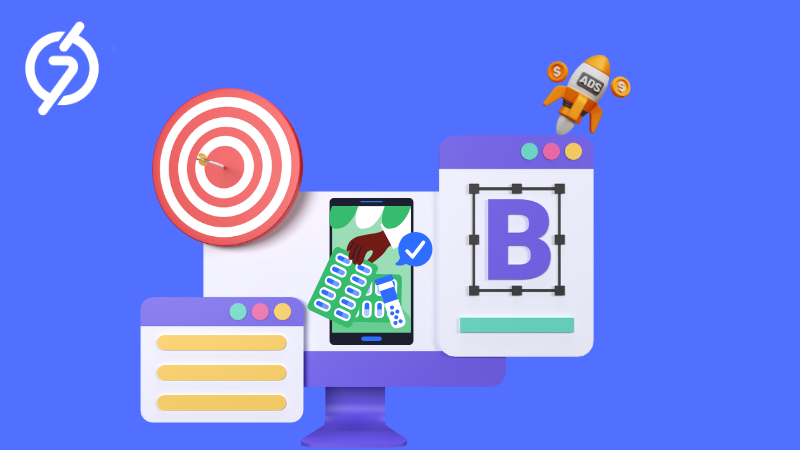
When I was helping out at a small local pharmacy, this question came up all the time. We had our regulars, but growing the customer base felt like hitting a wall. Most people in the neighborhood already had their go-to pharmacy, and convincing them to even check us out was harder than I expected.
What frustrated me most was that it wasn’t about price. People don’t usually compare pharmacies based on discounts like they would with a supermarket. It was about trust and familiarity, and if you’re the new pharmacy on the block, you just don’t have that yet. That’s the part I kept struggling with. How do you make a good first impression when no one knows you exist?
At one point, I figured it was better to just try small experiments rather than overthink everything. We put up signs outside the store with simple, clear reminders like “Flu shots available today” or “Free BP check inside.” To my surprise, a few people actually walked in just out of curiosity. Some of them ended up becoming regulars later.
Another thing that made a difference was how the staff greeted people. It sounds too simple, but first-timers often decide whether they’ll come back within that first visit. I noticed that when staff made conversations easy and friendly, people seemed to relax. But if it felt rushed or cold, they rarely returned. That made me realize that advertising can get them through the door, but the experience decides if they stay.
We also joined small community activities like local health awareness events. We didn’t do anything huge, just set up a table with free hand sanitizers and basic health info. A few people who had never been to our pharmacy stopped by later because they remembered seeing us there. It taught me that sometimes advertising doesn’t even look like advertising. It’s more about showing up where people already are.
The biggest takeaway I had from all this was that attracting first-time customers isn’t about big flashy campaigns. It’s about making your presence feel natural and approachable. If the first impression feels helpful, people are much more open to giving your pharmacy a chance.
I came across an article that explained this idea really well, breaking down practical tips without overcomplicating things. If you’re in the same situation, wondering how to get new faces to walk in, you might find it helpful too. Here’s the link: Best Pharmacy Promotion Ideas That Deliver Results.
Looking back, I think I spent too much time believing that only big stores had the budget to advertise effectively. But once I started testing smaller, more personal approaches, I realized that wasn’t true at all. People don’t always remember the loudest ad, they remember the one that spoke to them in the right moment.
So if you’re struggling to bring in first-time customers, maybe don’t focus on trying to look like a huge chain. Try simple, consistent actions that give people a reason to step in the first time. Once they do, make sure that the first experience counts. That’s what really makes the difference.
In 2025, pharmacy advertising thrives on a mix of digital precision and local personalization. Here are the most effective ways to advertise a pharmacy today:
Platforms like 7Search PPC allow you to reach local customers searching for medicines, health services, or nearby pharmacies. Their healthcare-friendly ad network is ideal for cost-effective, targeted visibility.
Make sure your pharmacy appears in “near me” searches. Keep your Google Business Profile updated with correct hours, photos, reviews, and health services.
Run flu shot promotions, diabetes screening events, or senior health days. Promote them via flyers, SMS, social media, and local ads.
Automated refill reminders, limited-time discounts, and health tips delivered via SMS or email help retain and engage customers.
Use platforms like Facebook, Instagram, and WhatsApp for customer engagement. Share behind-the-scenes stories, health tips, product info, and promotions.
Offer points, cashback, or discounts for repeat customers and referrals. It keeps existing customers loyal and brings in new ones.
Build partnerships with nearby doctors, gyms, or wellness spas to cross-promote services and products.
When you combine local targeting tools like 7Search PPC with trust-building offline initiatives, you create a strong advertising strategy that drives real, long-term growth for your pharmacy.